


05 December 2025
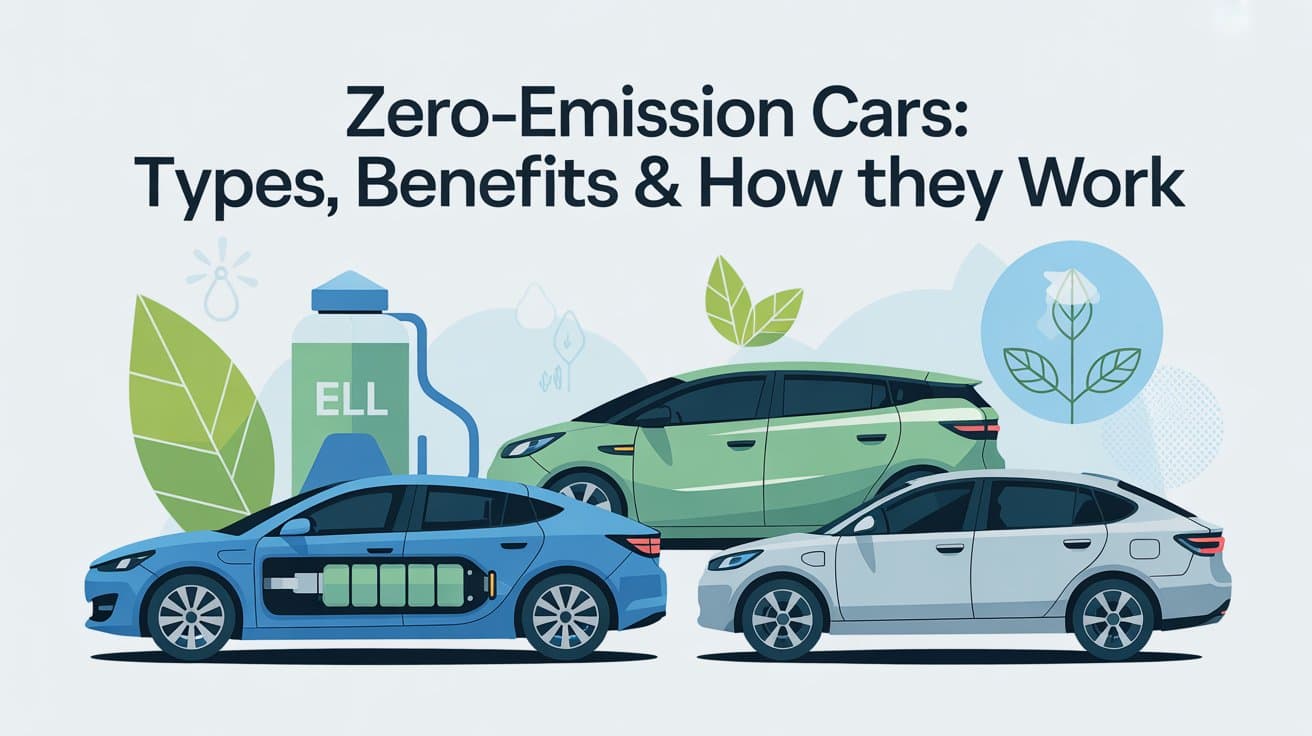
Zero-Emission Cars: Types, Benefits & How They Work
The world today is grappling with concerns about global warming and other effects of environmental degradation. In this scenario, zero emission cars have become the most welcome option. They are designed to help us have a positive impact on the environment around us. But what exactly are these zero emission cars, and how do they work? There seems to be very little information available on the subject. We at Indus Used Cars thought of educating the vehicle owners about the practical benefits of Zero Emission Cars and their operation.
What Are Zero Emission Cars?
Zero-emission cars are vehicles that emit no harmful gases or chemicals during operation. The new age vehicles represent a paradigm shift in the automobile industry. These vehicles provide a viable alternative to the traditional vehicles with the internal combustion engines. Instead of fossil fuels such as petrol or diesel, these zero emission cars run on the clean sources of energy. This makes them ideal for fighting air pollution and climate change.
Types Of Zero Emission Cars
When it comes to the zero emission vehicles, there are different types of vehicles that have been designed.
Battery Electric Vehicles
Battery electric vehicles are quite common among the zero emission cars. They operate solely on the energy generated by lithium-ion batteries. These cars use powerful electric motors. These motors use the stored electrical energy and convert it into mechanical energy to propel the wheels of the vehicles. Popular BEV models include the Tesla Model 3, Nissan Leaf, and various electric offerings from traditional automakers. In India, electric vehicles are gaining traction with models like the Tata Nexon EV and MG ZS EV leading the charge.
Hydrogen Fuel Cell Electric Vehicles (FCEVs)
These are other innovative options among the zero emission cars. They generate electricity through an electrochemical reaction between hydrogen and oxygen. This process produces only water and heat as byproducts. Notable FCEV models include the Toyota Mirai, Hyundai Nexo, and Honda Clarity Fuel Cell. These vehicles combine the environmental benefits of battery EVs with the convenience and range of traditional gasoline vehicles.
Also read: Top 6 Alternative Fuels for Cars and Their Benefits
Solar Powered Cars
These vehicles represent a cutting-edge technology and can be quite affordable options for the zero emission vehicles. They have photovoltaic cells located under the roof or hood. The solar energy is converted into electrical energy. This electrical energy is converted into mechanical energy to operate the vehicle. Advanced innovations in lightweight materials and flexible solar panels are making solar-powered vehicles increasingly viable. The integration of vehicle-to-grid technology also allows these cars to feed excess solar power back to the electrical grid, creating a more sustainable energy ecosystem.
How do Zero Emission Cars work?
The actual principle of the zero emission cars depends on the type of the vehicle and technology used in them. However, all of them share one common feature – they do not emit any tailpipe gases. Electric vehicles use the electrical energy saved in the rechargeable batteries and convert it into mechanical energy. In the case of Hydrogen fuel cell technology, the hydrogen gas stored in the tanks interacts with the air from outside to produce electricity. This electrical energy is then converted into mechanical energy to propel the vehicle. Solar powered vehicles use the solar energy to produce electrical energy. The rest of the functionality remains the same as the other methods and types used in the battery operated or HFC technology.
Benefits of zero emission cars
Zero-emission cars offer multiple benefits:
Eco-Friendly Driving: These vehicles have the least environmental impact, and that remains the USP of these cars. They completely eliminate harmful gases, thereby reducing their impact on the environment. They can be an excellent pick in the cities that have stringent emission regulations.
Low Running And Maintenance Costs :Zero emission vehicles come with low maintenance requirements. The electricity costs are significantly lower than the gasoline costs, and thus, you can save on the daily operating expenses. Since these vehicles come with fewer moving parts, the maintenance costs too are considerably lower. They need no regular maintenance such as oil changes, belt replacements and other routine maintenance requirements.
Also read, How to Upgrade Your Used Car Without Spending Much?
Smooth And Silent Ride :You do not need to deal with the vibration and noise associated with traditional vehicles. You will also find them quite easy to shift gears and drive. Instant torque generation is another great advantage that you stand to gain with the zero emission vehicles.
Government Incentives :Most of the governments globally offer attractive incentives to promote zero emission vehicles. In India, the FAME (Faster Adoption and Manufacturing of Electric Vehicles) scheme provides purchase subsidies for electric two-wheelers, three-wheelers, and buses. Under FAME 2, electric two-wheeler buyers receive incentives of ₹15,000 per kWh. The electric cars are eligible for subsidies of ₹10,000 per kWh, capped at ₹1.5 lakhs.
Future-Ready Technology : Zero emission vehicles represent a glorious future ahead. In fact, many of the zero emission vehicles come equipped with advanced systems. The integration of smart charging systems, vehicle-to-grid technology, and solar integration creates a sustainable energy ecosystem that extends beyond transportation.
Challenges Of Zero Emission Cars
Even when the zero emission vehicles have become the norm these days, they are not without their own share of a few challenges. The range or mileage is the primary concern for the zero emission vehicles. Most of the modern EVs offer a 250 to 400 kilometres range per charge. However, drivers are always worried about losing charge between the charging stations. Even the charging infrastructure and technology remain quite out of sync. In rural areas and even on highways, the number of charging stations is quite inadequate. In the case of Hydrogen fuel cell vehicles, there are not many hydrogen fuel stations available. Also, hydrogen fuel production is still dependent on fossil fuels, and this defeats the very purpose of zero emission vehicles. Even when the operating costs and long-term expenses may be lower, zero emission vehicles come at a high upfront cost.
The Future Ahead
Well, the future definitely belongs to the zero emission cars. Even when there are a few challenges that the sector faces today, technological advancements are underway. They should definitely have a good impact on the usability and practicality of owning these vehicles. At Indus Used Cars, we recognise the growing importance of sustainable transportation. Zero emission vehicles are becoming more prevalent in the new car market. We are committed to helping our customers in Kerala to find quality used vehicles that meet their needs and budgets. The used electric vehicle market continues to expand. However, we are here to guide you through the options available and help you make informed decisions about your next vehicle purchase.