


20 November 2026
ABS vs EBD: How Car Safty Systems Work?
The safety of a vehicle in an emergency stop situation is dependent on much more than the amount of force applied by the brakes. Many of today's automobiles have incorporated new safety technology to help control the vehicle, even out the brake pressure, and decrease the chance of having an accident. Two of these technologies are known as Anti-Lock Braking System (ABS) and Electronic Brake Force Distribution (EBD).
Although both systems work together to improve the braking performance, they are designed to serve different functions. Understanding the difference between ABS and EBD can help you to make informed decisions, when buying a car, especially a used vehicle. Read on to learn more about how they function and what it means for your safety when driving. vehicle's
What Is ABS (Anti-Lock Braking System)?
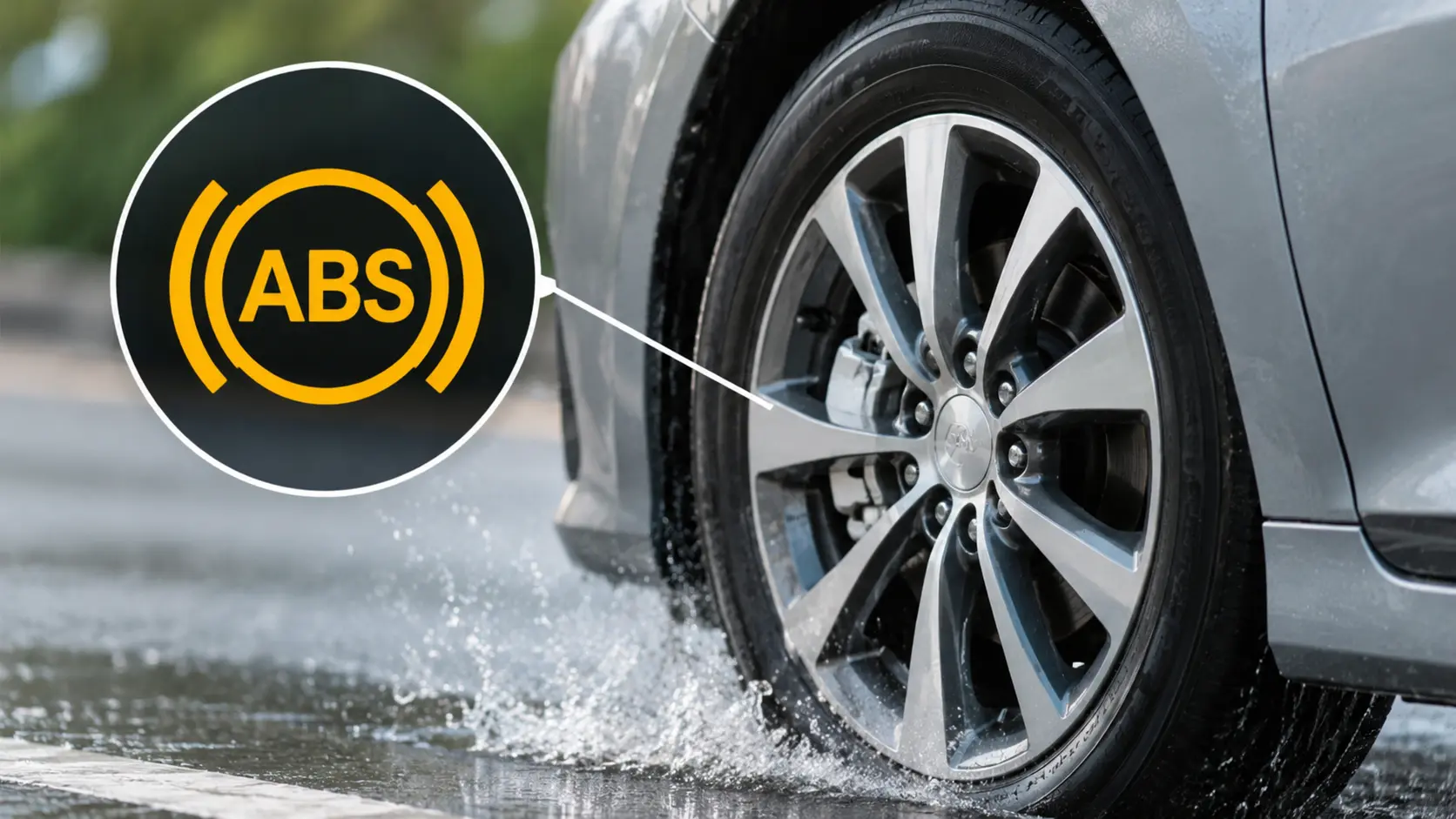
Pressing on the brake pedal very hard can cause the vehicle wheels to lock up while the vehicle is still in motion. This could result in skidding and would be hard to control the direction of the vehicle. The Anti-lock Braking System is a safety feature to keep your vehicle from locking the wheels during hard or panic braking. The system will alleviate locking by modulating the brake pressure.
The Anti-lock Braking System (ABS) works through three main components that continuously monitor wheel movement and regulate braking pressure to help prevent wheel lock-up during sudden or hard braking.
1. Wheel Speed Sensors
Wheel speed sensors continuously monitor the rotational speed of each wheel. They detect sudden changes in wheel speed that may indicate a wheel is about to lock up during braking and send this information to the Electronic Control Unit (ECU).
2. Electronic Control Unit (ECU)
The Electronic Control Unit acts as the brain of the ABS system. It receives and analyses information from the wheel speed sensors to identify potential wheel lock-up. Based on this data, the ECU determines when brake pressure needs to be adjusted to maintain wheel rotation and steering control.
3. Brake Pressure Regulation (Hydraulic Control Unit)
The Hydraulic Control Unit regulates the brake pressure applied to individual wheels based on instructions from the ECU. It can reduce, maintain, or increase braking pressure as needed to prevent wheel lock-up while maintaining effective braking performance.
Read to know : Importance of Wheel Balancing and Wheel Alignment
What Is EBD (Electronic Brakeforce Distribution)?
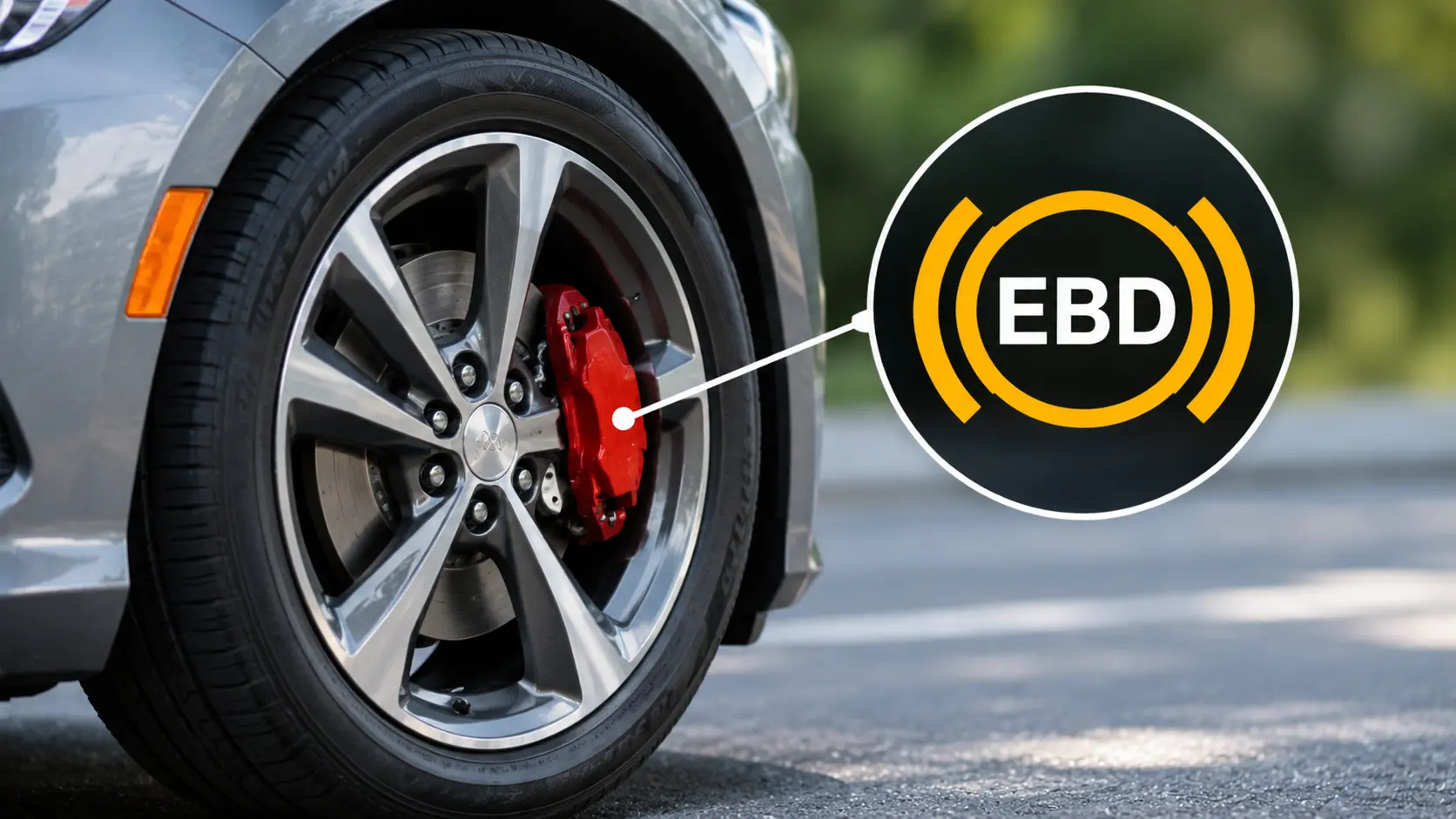
The Electronic Brakeforce Distribution (EBD) is another braking technology that ensures an equal brake force distribution over your car's wheels. Not all wheels need the same amount of braking power. Your vehicle's weight distribution shifts when you are riding with passengers or cargo. When you're braking in turns or on a rough road, the wheels may also be subject to greater or less braking forces. EBD automatically balances braking force between your vehicle's wheels, depending on the load and the speed of each wheel, and the driving conditions, to prevent any wheel from locking up.
The EBD utilises the readings from the wheel speed sensors and the vehicle's electronic control unit to decide how much brakeforce is to be applied. If your vehicle is heavily laden at the rear, it is likely that the rear wheels will need greater braking force than when the vehicle is not carrying a load. EBD modulates the brake pressure to enhance your car's braking stability while reducing the lock-up of your wheels. Where ABS concentrates on avoiding wheel lock on the most forceful stop, EBD's role is to allow optimum application of the braking force to each wheel.
ABS Vs EBD: Key Differences Explained
ABS and EBD do contribute towards making the vehicle safer, but they achieve this in different ways. However, by knowing the differences between the two you can get a clearer idea of what exactly these systems do.
Basically, the ABS system assists in stopping the wheels from locking with the EBD in distributing the braking force correctly.
How ABS And EBD Work Together In Modern Cars ?
Many modern cars are equipped with ABS and EBD, which work together to improve braking stability and control. Imagine driving with passengers and luggage when traffic suddenly comes to a halt, requiring you to brake hard. In this situation:
- EBD (Electronic Brakeforce Distribution) adjusts the distribution of braking force between the wheels based on factors such as vehicle load and driving conditions.
- ABS (Anti-lock Braking System) monitors wheel speed and rapidly adjusts brake pressure to prevent the wheels from locking up during hard braking.
- Working Together, both systems help maintain vehicle stability, improve braking control, and allow the driver to retain steering control during sudden stops.
Since EBD typically operates as part of the ABS-based braking system, both technologies work in coordination to distribute and regulate braking force effectively. This helps provide more balanced, controlled, and stable braking, particularly when the vehicle is carrying additional passengers or luggage.
Benefits Of ABS And EBD In Different Driving Conditions
Roads may be tricky to negotiate, particularly when driving along city roads, highways and rainy roads. When you're driving in such conditions, the ABS and EBD can protect you in the following ways,
- During Sudden Braking; ABS helps prevent wheel lock when you need to stop suddenly; EBD ensures good braking by distributing the braking force appropriately.
- On Wet and Slippery Roads: Loose gravel, rain and mud can be slippery and lead to a loss of grip from your tyres. ABS prevents the wheels from locking when braking hard, and EBD applies different braking forces to each wheel, helping to stabilise the vehicle.
- While Driving With Passengers Or Luggage : An apparently loaded vehicle seems to have a different weight distribution from an empty one. EBD is able to compensate for this varying load by tailoring the braking force.
- While Cornering : ABS prevents wheel lockup,limits and EBD ensures even distribution of braking force, so as to keep your car from losing control.
- During Highway Driving : At higher speeds, sudden braking requires quick and controlled responses.ABS and EBD contribute to safer braking by preventing the wheels from locking and maintaining balanced braking pressure.
Nevertheless, remember that these systems cannot overcome the physical limits of tyre grip. Always use a safe travelling distance and judge your speed accordingly.
Also read, Essential Tips to Avoid Car Brake Failure
Why Buyers Should Check For ABS And EBD When Evaluating A Used Car?
When buying a used car, look beyond mileage and appearance. Safety features like ABS and EBD are equally important. ABS helps prevent wheel lock-up during hard braking, while EBD distributes braking force for improved stability and control. Together, these systems enhance braking safety in challenging driving conditions, making them valuable features to consider when comparing used car models and variants. Choosing a vehicle equipped with essential safety technologies can give you greater confidence and peace of mind on the road.
Make Safety A Priority When Buying Your Next Car
ABS and EBD are designed to assist in braking performance; ABS helps prevent wheel lock, and EBD directs braking force to the appropriate wheels. Neither takes over the braking performance, but each contributes to optimal braking stability and control. We at Indus Used Cars know that safety is a major factor when selecting the best used car. Please do check the basics of a good pre-owned vehicle (ABS, EBD) and check the overall condition and service history of the car before you buy. Our aim is to help you make a confident and informed used car buying decision.