


27 October 2026
Top Five Signs Of Water Damage In A Used Car That Only a PDI Can Reveal
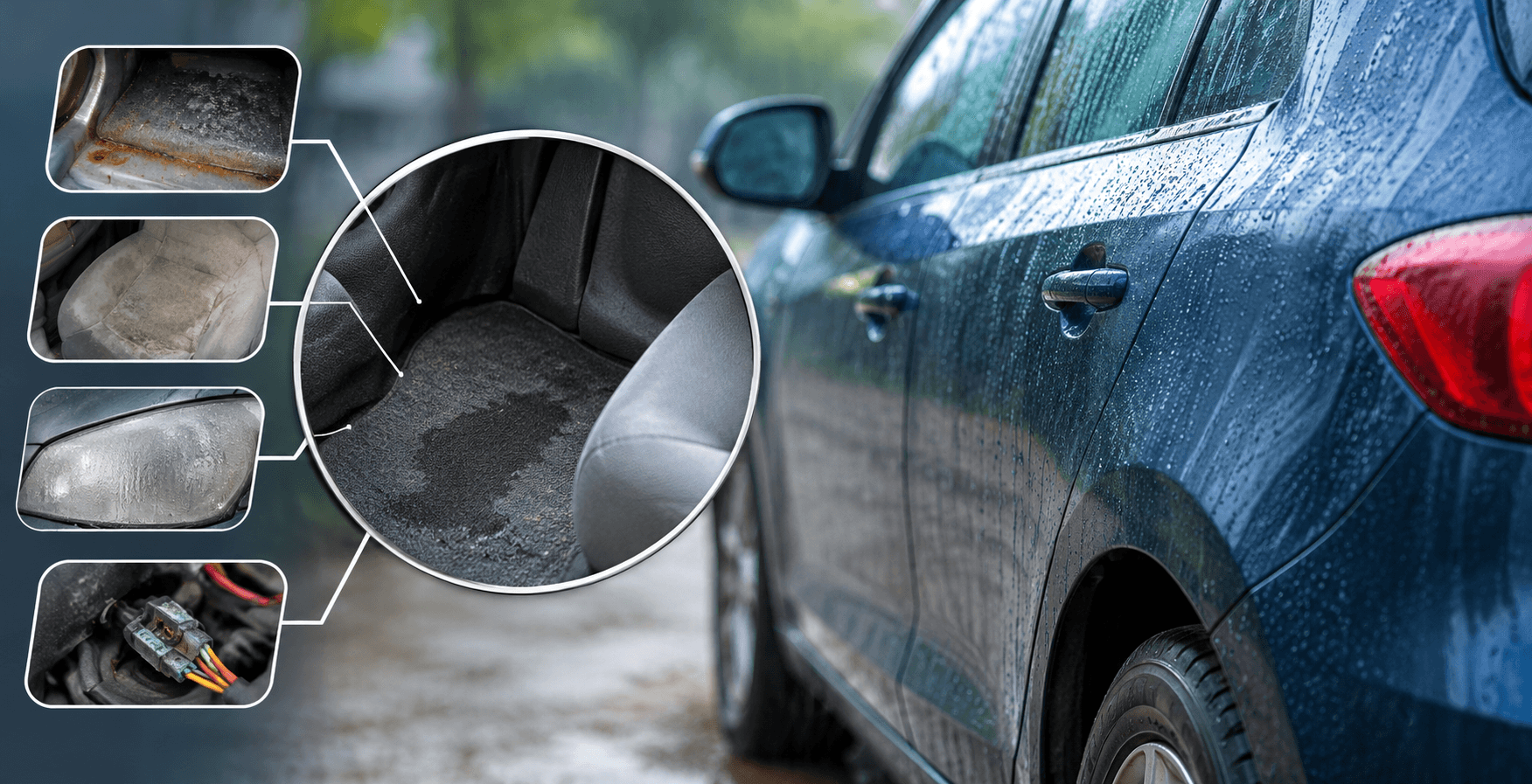
Buying a used car can help you save money, however, prior to purchasing a used car, it is essential to go beyond the surface level and look for possible damages which might be concealed. Water damage can remain concealed despite the car looking clean and well-kept. The car may have been subjected to water damage in the past, which may affect its electrical equipment as well as metal parts. These problems can lead to expensive repairs if left undetected. Some signs of water damage are difficult to spot during a quick inspection. Moisture may remain beneath carpets, corrosion can develop in concealed areas and electrical faults may appear only after using the care for some days. A Pre-Delivery Inspection (PDI) helps identify these warning signs before you finalise your purchase.
What Is A Used Car PDI And Why Does It Matter?
A used car PDI is a detailed inspection which is conducted before a vehicle is handed over to its new owner. The process involves checking the mechanical state of the car, the electrical parts, as well as its interior and exterior. Used car PDI is especially beneficial in purchasing second-hand vehicles since it allows spotting some issues that could be camouflaged by cleaning and other modifications. A thorough inspection helps you identify possible flood damage, detect hidden faults and make a more informed buying decision. Here are five important signs of water damage that a thorough PDI can help reveal before you purchase a used car.
Musty Smell And Hidden Moisture Inside The Cabin
A persistent musty smell inside a used car indicates trapped moisture. Moisture can collect underneath carpets, floor mats and the upholstery of seats. Even when the car is clean, there could still be dampness hidden in places that are hard to reach. During a PDI, an inspector checks for the following signs:
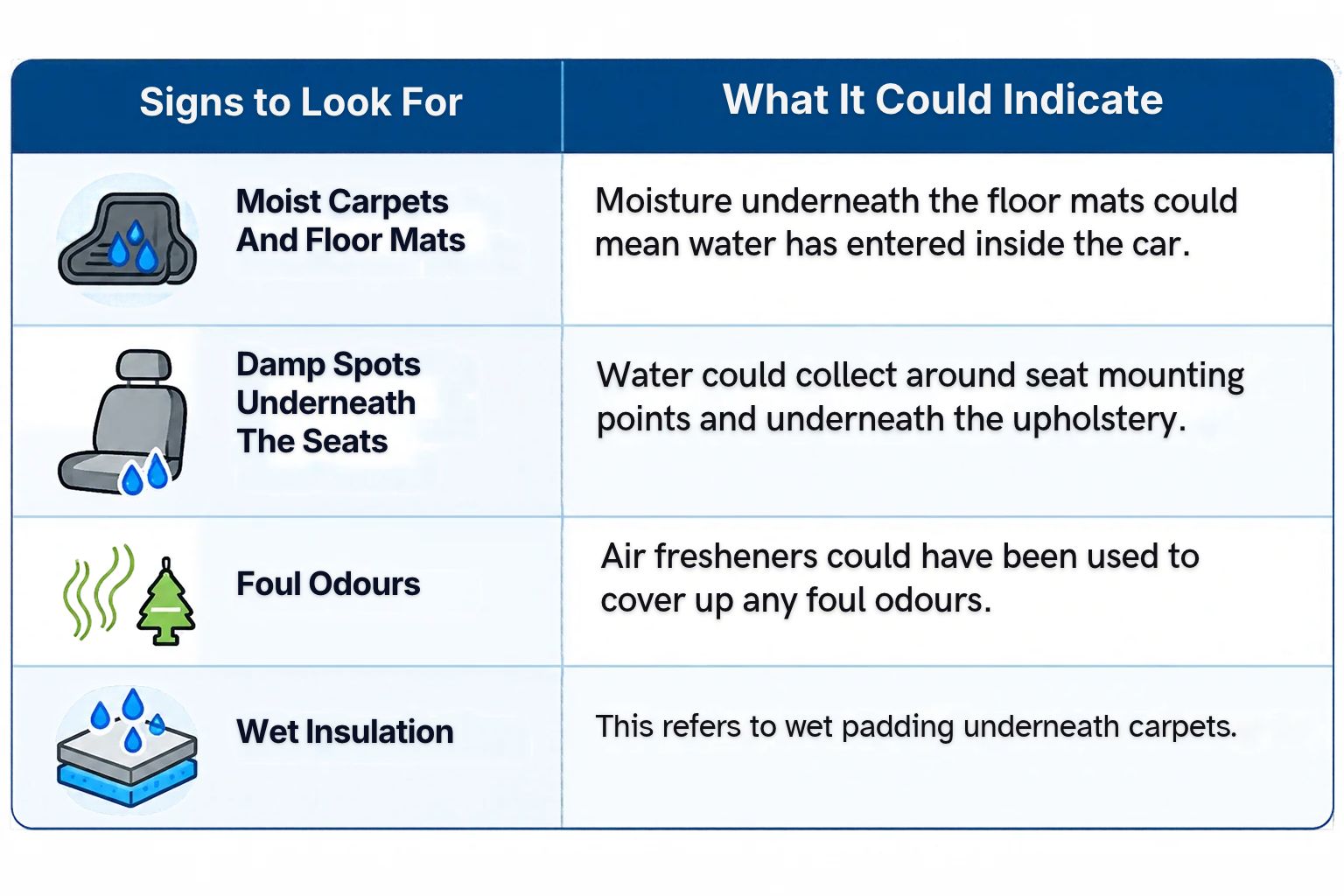
During a PDI, inspectors check for signs of hidden moisture inside the cabin, including damp carpets and floor mats, which could indicate that water has entered the vehicle. They also examine the areas underneath the seats, as water can collect around seat mounting points and beneath the upholstery. Unpleasant or musty odours may suggest trapped moisture, even if air fresheners have been used to mask the smell. Another important area to inspect is the insulation beneath the carpets, as its padding can absorb water and remain damp even after the visible surfaces have dried.
These signs do not necessarily confirm flood damage. However, they deserve closer investigation to identify the source of moisture and determine whether there is any underlying damage.
Rust And Corrosion In Hidden Areas
External rust is usually easy to notice, but internal corrosion can remain hidden. Flooding or prolonged water exposure can affect metal components in areas that are not normally exposed to moisture. During a professional PDI, inspectors carefully examine the following areas:
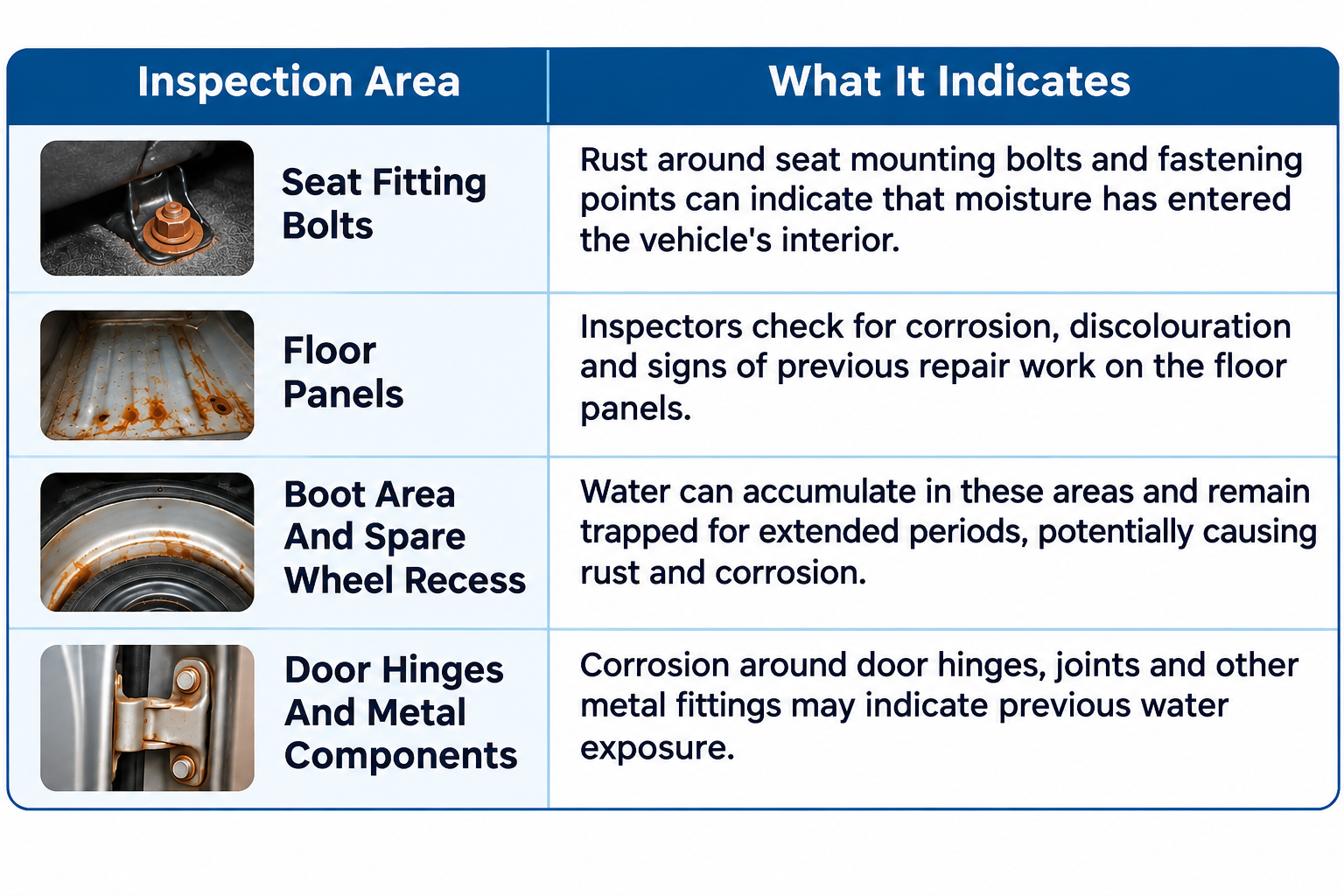
During a PDI, inspectors examine several metal components and hidden areas for signs of water damage. Rust around seat mounting bolts and fastening points may indicate that moisture has entered the vehicle's interior. They also inspect the floor panels for corrosion, discolouration and signs of previous repair work. The boot area and spare wheel recess require attention because water can accumulate there and remain trapped for extended periods, potentially leading to rust and corrosion. Additionally, corrosion around door hinges, joints and other metal fittings may suggest previous exposure to water.
A recently cleaned appearance does not necessarily mean that the vehicle is free from damage. A professional inspection helps assess the condition of these components in relation to the vehicle's age, usage and maintenance history.
Also read, Protecting Your Car from Rust: Everything You Need to Know
Electrical Faults And Malfunctioning Components
All modern vehicles rely on electrical systems to operate essential features such as power windows, central locking, infotainment systems and engine management. Exposure to moisture can damage wiring, sensors, control modules and other electrical components. Some problems may appear immediately, while others can take time to surface. During a PDI, inspectors check for the following warning signs:
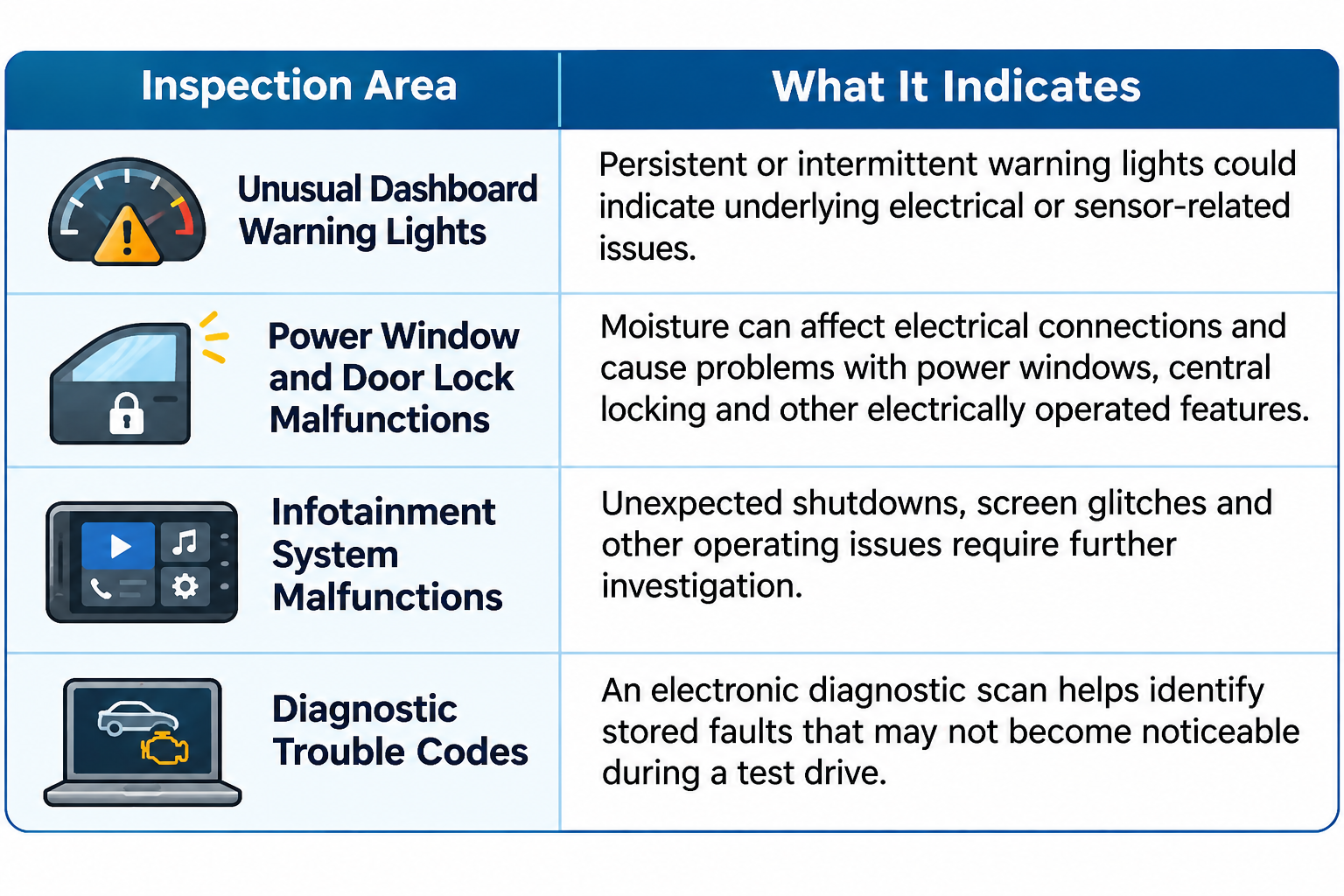
The vehicle's electrical components should be carefully inspected for signs of possible water damage. Persistent or intermittent dashboard warning lights may indicate underlying electrical or sensor-related faults. The operation of power windows, central locking and other electrically controlled features should also be tested, as moisture can damage electrical connections and affect their functionality. The infotainment system should be checked for unexpected shutdowns, screen glitches and other irregularities. In addition, an electronic diagnostic scan should be performed to identify stored trouble codes and hidden faults that may not be noticeable during a test drive.
Also read, 9 Common Reasons Your Check Engine Light Is On
Persistent Moisture Inside Headlights And Taillights
It is quite natural for condensation to take place in light fixtures because of the temperature variations. Nevertheless, constant fogging, water droplets or even visible pools of water could point to damage to the seals or cracks, as well as previous water exposure. A PDI will be able to detect the following:
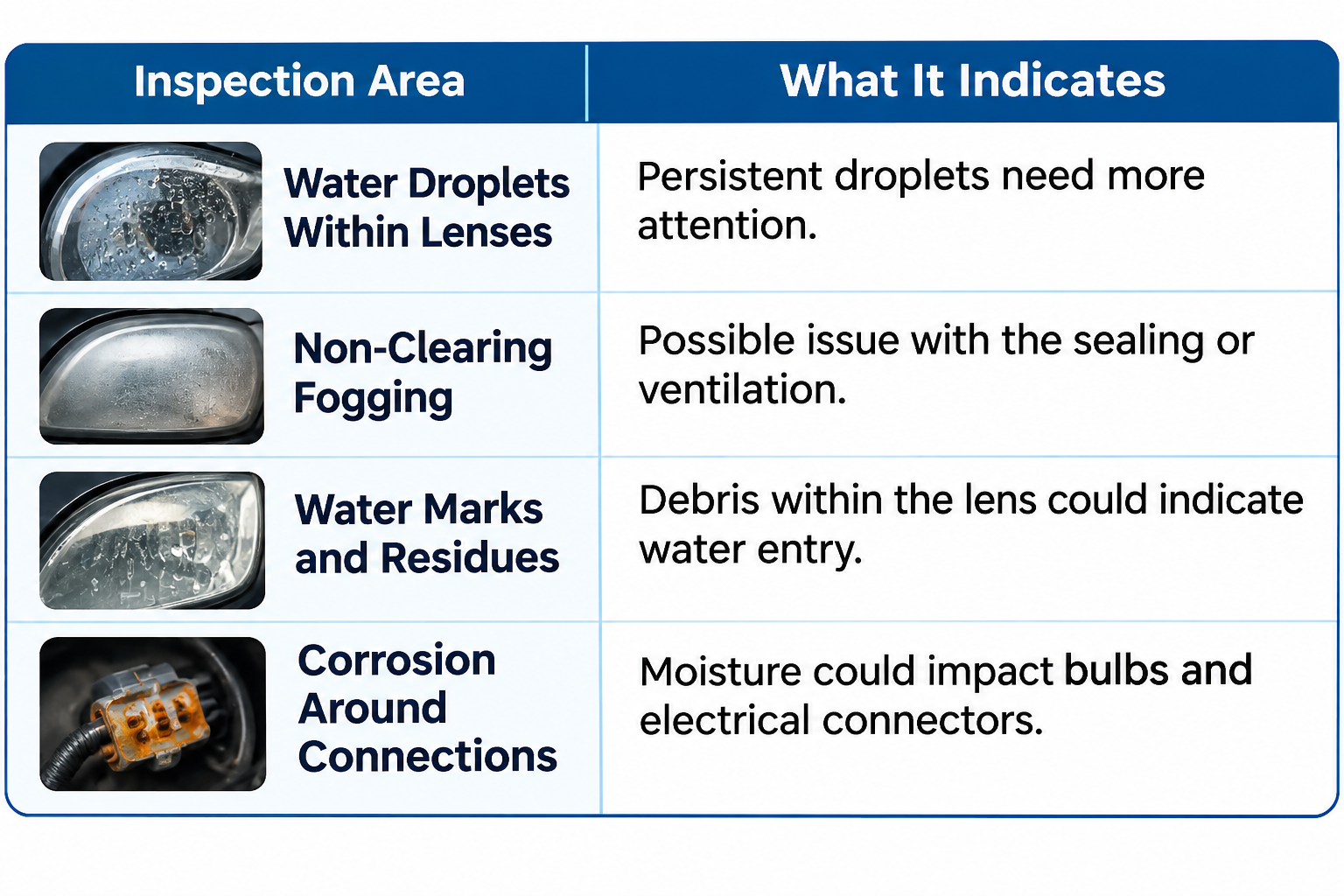
A professional inspector will be able to differentiate condensation from possible defects.
Water Stains And Unusual Upholstery Discolouration
Water marks can remain visible even when the interior of a vehicle looks clean. Buyers should look for unusual changes in the colour or condition of the upholstery, carpets, headliner and door panels. During the PDI process, an inspector may identify the following signs:
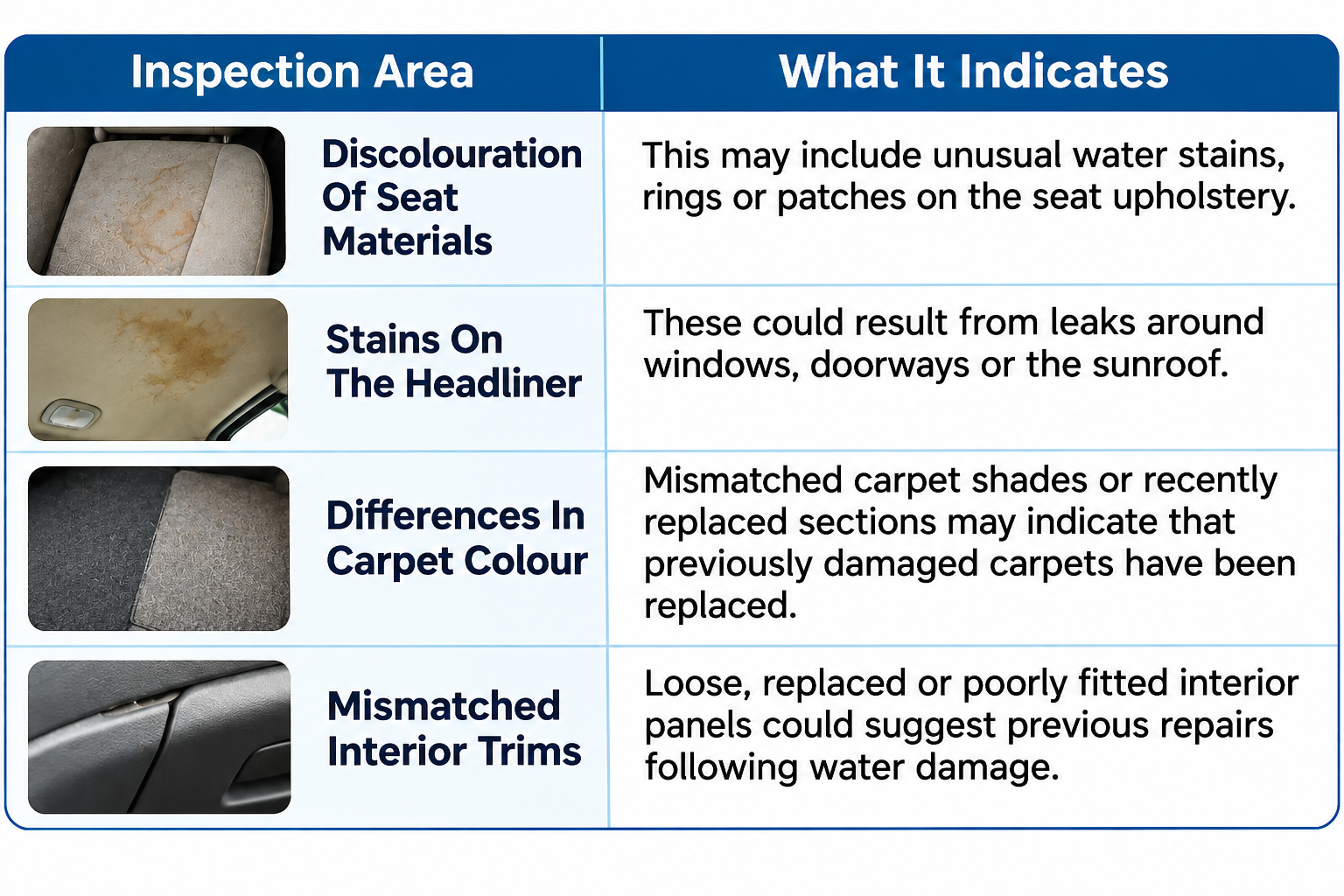
Discolouration of seat materials may appear as unusual water stains, rings or patches on the upholstery. Stains on the headliner could indicate leaks around the windows, doorways or sunroof. Differences in carpet colour, such as mismatched shades or recently replaced sections, may suggest that previously damaged carpets have been removed and replaced. Similarly, loose, replaced or poorly fitted interior trim panels could point to previous repair work carried out following water damage.
Other Checks That Can Reveal Possible Flood Damage
Apart from the five signs mentioned above, a few additional checks can help determine the overall condition of a used car and identify possible signs of previous water exposure.
- Air Conditioning: Check for unusual odours and ensure that the air conditioning system is functioning properly.
- Engine Bay: Examine the engine bay for unusual residues, corrosion and signs of previous repairs.
- Boot Compartment: Look for mud, water stains, dampness or other signs of moisture accumulation.
- Service History: Check for unusual repair records and the replacement of electrical components that may indicate previous water-related issues.
- Vehicle History: Review the available vehicle history records and insurance documents for any reported flood damage or related claims.
Combining these checks with a physical inspection and electronic diagnostics can provide a better understanding of the vehicle's overall condition.
Why A Professional PDI Is Better Than A Basic Visual Check
A basic visual inspection may reveal obvious signs of damage, but it can easily overlook problems hidden underneath carpets, corrosion behind interior panels and faults within the vehicle's electrical systems. A professional PDI follows a systematic inspection process and uses appropriate diagnostic tools to assess components that are difficult to access. Before purchasing a used car, always understand the scope of the inspection and check whether a detailed written report is provided. This helps you make an informed decision and identify potential repair costs before finalising the purchase.
Choose Your Next Used Car With Confidence At Indus Used Cars
At Indus Used Cars, we understand how important it is to make the right decision when purchasing a used car. We encourage our customers to look beyond the vehicle's appearance and pay attention to its actual condition, maintenance records and service history. A thorough Pre-Delivery Inspection helps identify potential issues before they develop into major repair concerns. This includes checking for hidden moisture, corrosion, electrical faults and other problems that may not be visible during a basic inspection. At Indus Used Cars, our aim is to help you make a more informed used car purchase so you can drive away with greater confidence and peace of mind.