


30 July 2026
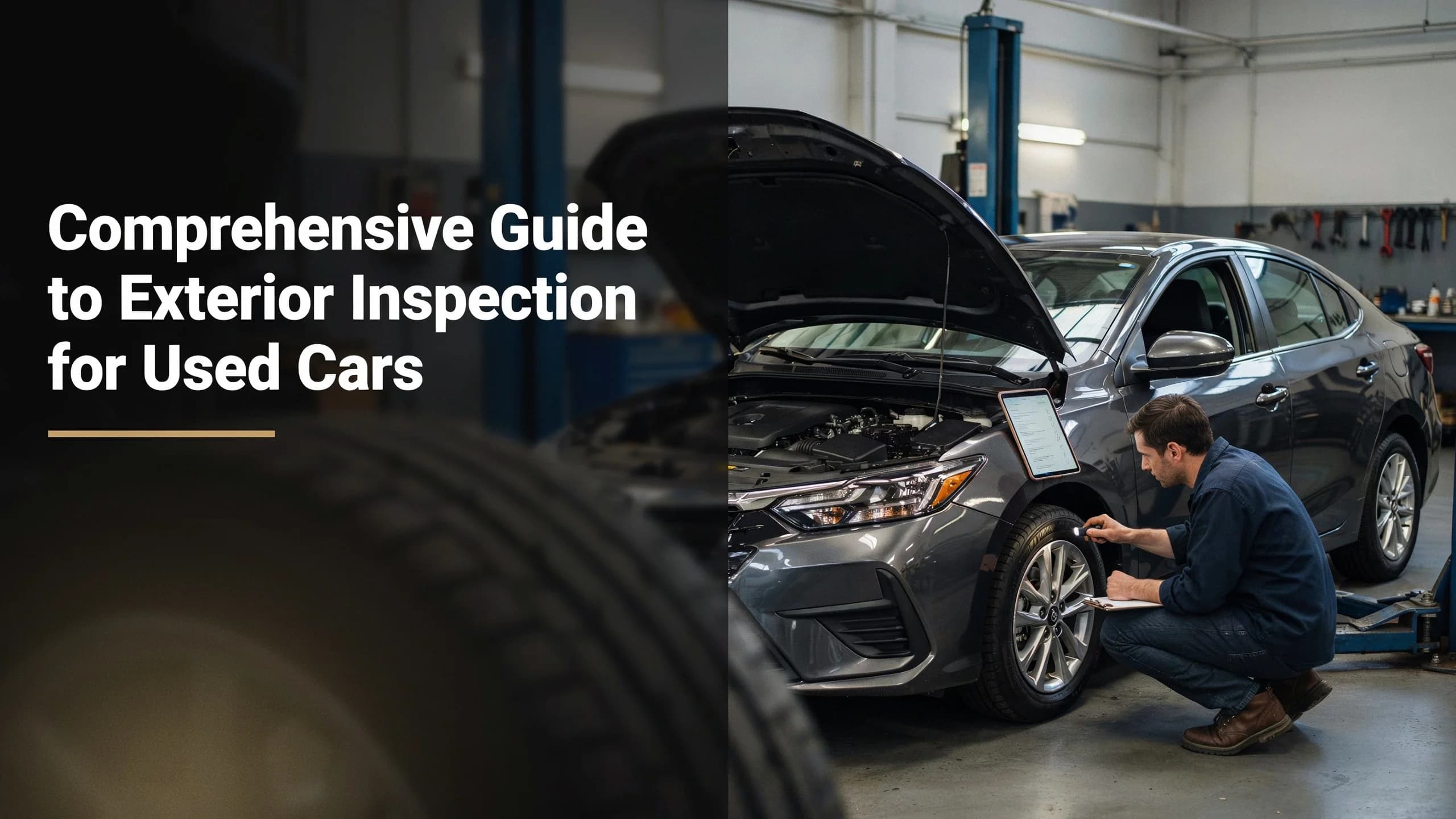
Comprehensive Guide to Exterior Inspection for Used Cars
Want to upgrade your ride, but do not have enough budget? Buying a used car is perhaps the best thing that can happen to you. But, let us be honest. Buying a used car comes with its own issues. We can understand the issues with the newly bought used car that may have hidden issues. Here is a comprehensive guide from Indus Used Cars to help you inspect a pre-owned vehicle like a pro.
Why Is It Important to Check the Exterior of a Used Car?
The exteriors of a car is much more than just the styling. It serves as a protective shield for the mechanical components inside. Inspecting the vehicle for external damages helps you in several ways :
Hidden Accident History : Sellers might hide major repairs under a fresh coat of paint. Structural alignment issues can permanently ruin a car’s safety rating and handling.
Impending Maintenance Costs : Deep rust, bald tires, or cracked windshields are major safety issues that will force you to spend thousands of dollars immediately after purchase.
True Valuation Data : Minor scratches are great leverage points to negotiate a lower price, while structural frame damage means you should walk away entirely.
Your 13-Step Ultimate Exterior Inspection Checklist
For the best results, inspect the car during broad daylight on a clear day. Avoid evaluating a wet vehicle, as water droplets can mask paint imperfections, scratches, and minor dents.
Check the Body Panels : Have a look at the vehicle at a distance. Then, walk close to check the profile from front and rear corners. The metal panels should look uniform. Look for subtle variations in texture or wave patterns along the sides of the doors.
Inspect the Paint Condition : A factory paint job is always flawless and uniform. Run your hand along the body to feel for rough overspray near the edges of window moldings or weather stripping. Check the color in sunlight. Imagine finding one door or fender looks slightly brighter, darker, or has a different metallic flake texture. That indicates a possible repainting.
Look for Rust and Corrosion : Check the lower edges of the doors, the rocker panels beneath the doors, and inside the wheel wells. Pay special attention to the bottom edges of the bodywork. Rust is a like a disease and it can spread rapidly once it takes root.
Also read, Protecting Your Car from Rust: Everything You Need to Know
Check for Dents and Scratches : The minor rock chips on the hood are normal for a highway-driven car. But, deep scratches that cut through the clear coat down to the primer or bare metal are problematic. Take note of any significant dents on the body that will require paintless dent repair (PDR) to fix.
Identify Signs of Accident Repairs : Open the hood and trunk to inspect the inner structural frame. Look closely at the radiator core support and the inner fender wells. Fresh, non-factory seam sealer or mismatched structural bolts are clear warning signs of a major collision rebuild.
Inspect the Windshield and Windows : Run your eyes across all the glass panels. Check the front windshield for tiny rock chips, bullseye cracks, or spiderweb fractures. Even minor chip can result in a major crack. Any mismatched window indicates it was replaced due to a break-in or a side collision.
Check Headlights and Tail Lights : Cracked light housings let moisture seep inside, which shorts out bulbs and fogs up the lenses. Verify that the plastic housings are clear and not heavily oxidized or yellowed. Turn on the hazard lights, high beams, fog lights, and reverse lights to ensure every single LED or bulb illuminates perfectly.
Examine the Bumpers : Bumpers bear the brunt of daily parallel parking scrapes. Check both the front and rear bumpers to ensure they are firmly mounted and do not sag. Look underneath the front bumper lip for severe scraping from high curbs or speed bumps.
Inspect the Tires for Wear : Tires are your only contact point with the road, making them a massive safety factor. Check the tread depth using the coin test or built-in wear indicators. More importantly, check for uneven wear patterns.
Also read, Understanding and Identifying Symptoms of Unbalanced Tires
Check the Alloy Wheels or Wheel Covers : Look for deep scrapes or gouges on the rims, commonly known as "curb rash." Severe curb impacts can bend or crack an alloy wheel, causing slow air leaks and violent highway vibrations. If the car features plastic wheel covers, ensure they are securely fastened and free of large structural cracks.
Inspect the Side Mirrors : Side mirrors are highly vulnerable to passing traffic. Confirm that the mirror housings are firmly attached and do not wiggle. Test the electronic adjustment controls from the driver’s seat to ensure they tilt smoothly in all directions.
Check Door Alignment and Gaps : Manufacturers use high-precision robots to build cars, meaning the gaps between body panels should be perfectly symmetrical. Check the vertical lines where the doors meet the fenders and columns. The vehicle’s frame has likely shifted out of alignment from a collision.
Examine the Roof and Bonnet :Never skip looking at the top of the vehicle. Check the roof for hail damage, deep scratches from roof racks, or fading clear coats caused by intense sun exposure. Check for safety latches.
Buy Certified Used Cars From Indus Used Cars
A used car with a pristine engine but a structurally compromised exterior is a ticking financial time bomb. Take your time to run through this comprehensive 13-step checklist. That helps you protect yourself from bad investments and ensure your next vehicle is safe, reliable, and beautiful.
If you want to skip the guesswork entirely, browse our verified inventory at Indus Used Cars. We are one of the leading used car dealership in Kerala. Every vehicle on our lot undergoes a strict, multi-point certified inspection process, ensuring that you get a reliable car at the perfect price. Happy car hunting!